What is an API? A comprehensive guide to getting to know the application programming interface
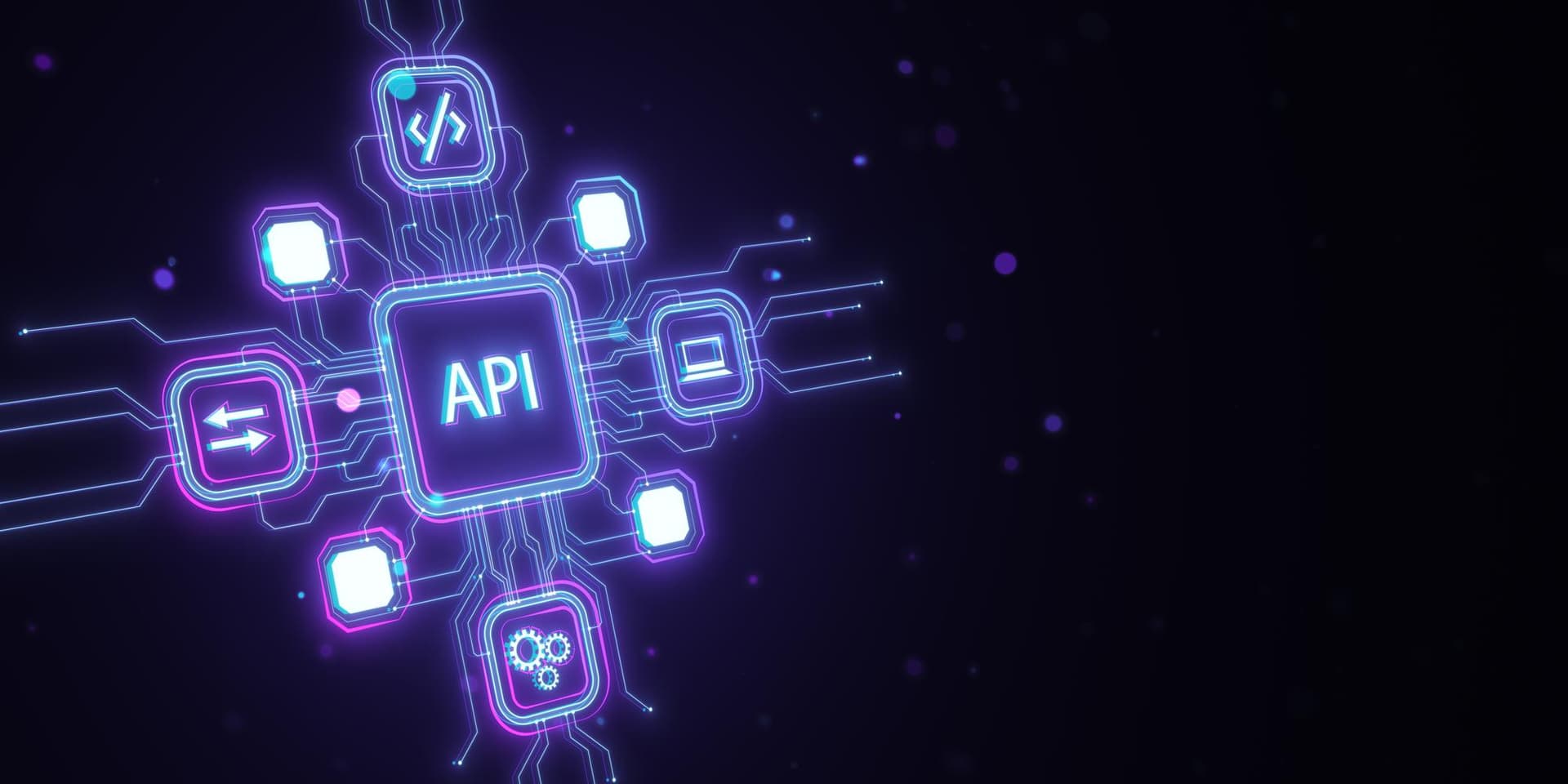
What is an API? All about API
What is an API? Today, API is one of the key concepts in the world of information technology and software development. If you are not familiar with this term or want to have a better understanding of it, this comprehensive article can introduce you to the API and its uses.
What is the meaning and concept of API?
API stands for Application Programming Interface. API acts as a communication bridge between software and systems and enables data exchange and interaction between them. Simply put, an API allows software to communicate with each other without the need for behind-the-scenes details.
How does the API work?
The API works like a restaurant menu. Imagine you have entered a restaurant; The menu contains a list of dishes that you can choose from. You send your order to the kitchen through the waiter (API) and receive the food, without needing to know how the food was prepared. Similarly, an API takes specific requests from the user, passes them to the appropriate system, and returns the appropriate response.
Types of APIs
Open APIs: This type of API is accessible to everyone and is usually used by companies that provide public services (such as Google Maps).
Internal APIs: These APIs are used only within the organization or company and are not accessible to the public.
Partner APIs: These APIs are designed for interaction between business partners and are typically used for specific purposes.
Composite APIs: These types of APIs combine multiple services or data to provide a more comprehensive response.
What are API uses?
APIs play a role in many aspects of technology and everyday life. Some of the most important API applications are:
Connecting software: API allows different software to communicate with each other and share data.
• Development of programs: Developers can add new features to their apps using APIs.
Access to third party data: Services such as Google Maps or online payment portals allow other software to use their services through API.
Automation of tasks: API can be used to automate various processes in organizations and companies.
Examples of API in everyday life
• Google Maps: When using an app that requires a map, the app uses the Google Maps API to display directions.
• Payment gateway: When you make a purchase in an online store, the bank payment gateway uses an API to communicate with the bank's systems.
Hotel and flight reservations: Online booking applications use APIs to get up-to-date information from hotels and airlines.
Advantages of using API
• Increasing efficiency: Developers can use existing APIs instead of creating a service from scratch.
• Saving time: APIs speed up the software development process.
More security: Data and services are made available through API in a controlled and secure manner.
• Scalability: APIs allow systems to be extended and upgraded.
Important standards in API design
In order for the API to work well and be usable, the following standards must be met:
• Simplicity: API documentation should be simple and understandable.
Security: Data authentication and encryption are essential to prevent unauthorized access.
Flexibility: The API should be designed to be adaptable to future changes.
• Sustainability: Any changes to the API must be done by notifying the users.
API best practices
• Read the documentation: Before using the API, read its documentation carefully.
• Authentication: Use API keys or other authentication methods to increase security.
• Management of requests: Control the number of requests to avoid issues like Rate Limiting.
Testing: Check the API in the test environment before using it in the real environment.
conclusion
APIs are one of the main components of today's technology world, and without them, the interaction between software and services would be very difficult. By understanding the API concept and how it works, you can use this powerful tool to improve your projects and processes.
What is your API question? Share with us in the comments section!
Subscribe
Get our latest posts in your inbox.