
What is CMS? Content management system and everything you need to know
What is CMS, CMS or Content Management System (Content Management System) is a tool that allows users to create, manage and edit the content of websites without the need for programming knowledge. In this comprehensive article, we will discuss the definition of CMS, its types, advantages, disadvantages and applications.
What is CMS?
CMS is a software that users can use to easily manage the content of their website. This system is an interface between the user and the server and eliminates the need to write complex codes to manage the site.
The main components of a CMS
Back-end: The part where the user creates and manages the content of the site.
• User interface (Front-end): content displayed for site visitors.
Types of CMS
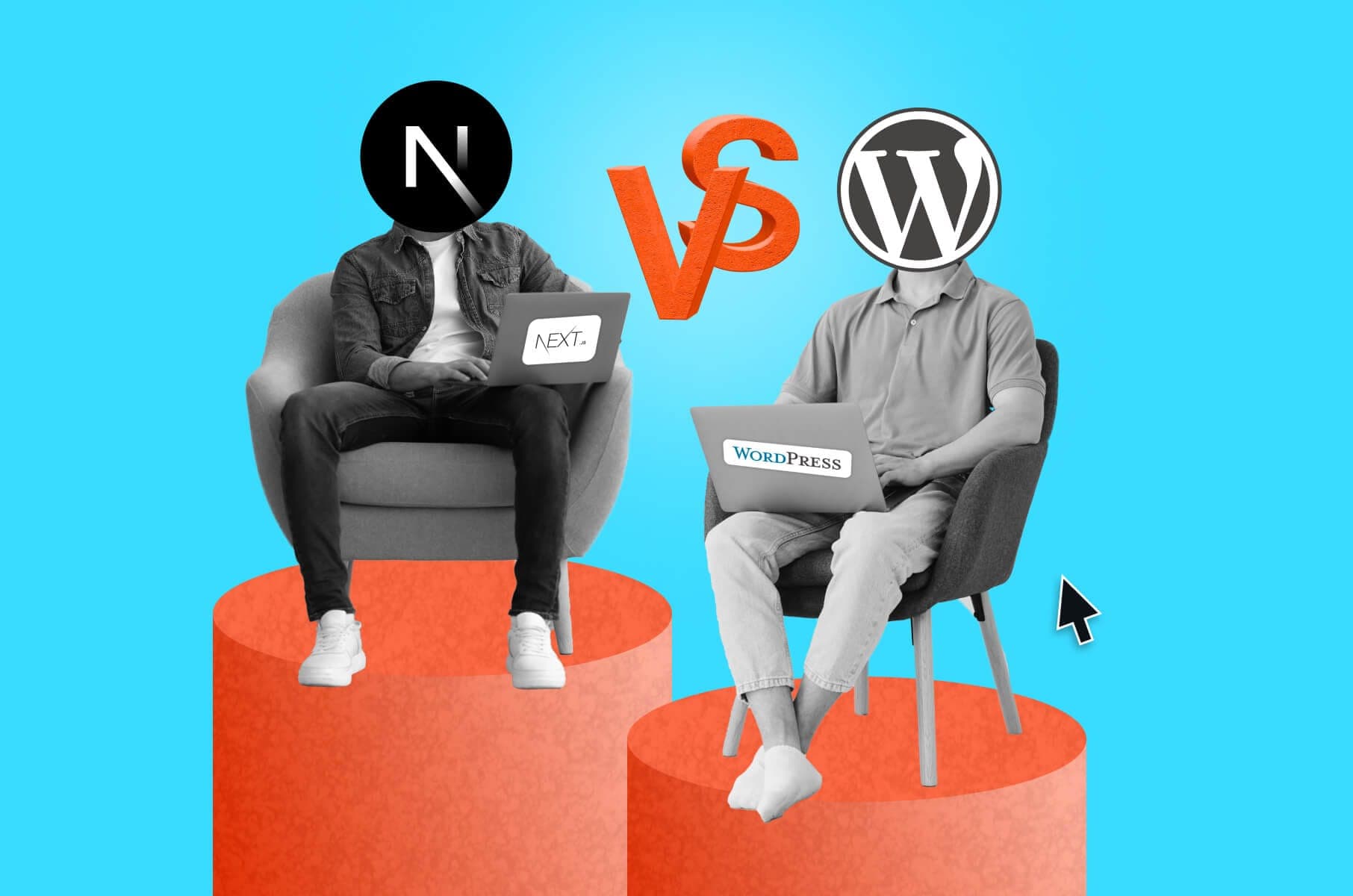
• General CMS: suitable for common websites such as blogs, stores or news sites. Examples: WordPress: The most popular CMS for all types of websites. Joomla: Suitable for more complex websites. Drupal: Used for large and complex projects.
• Store CMS: for managing online stores. Examples: Shopify: Simple and fast for small and medium-sized stores. Magento: suitable for large stores with advanced features.
• Dedicated CMSs: customized systems for specific projects designed by programming teams.
What is CMS?
What are the benefits of using a CMS?
• No need for coding: users without technical knowledge can create content.
• Easy management: the ability to manage content, images and files easily.
• Expandability: various plugins and templates to expand the capabilities.
• Cost-effective: reducing the costs of website development and maintenance.
• SEO compatibility: Many CMSs have built-in tools for search engine optimization.
Disadvantages of using CMS
• Limitation of customization: Sometimes CMSs may be limited for specific needs.
• Security: If you don't update or use insecure plugins, the site becomes vulnerable.
• Need to learn: It may take time for users to become familiar with all the features of a CMS.
Which CMS is right for your business?
The choice of CMS depends on the type of website and your needs. If you are looking to build your own website or blog, WordPress is the best choice. Use Shopify for your small or medium online store. If you have a large and complex project, Drupal or a dedicated CMS will be suitable.
conclusion
CMS is a powerful and practical tool for managing websites. Choosing the right CMS can make the process of building, managing and optimizing the site much easier and create a better user experience for visitors.
Subscribe
Get our latest posts in your inbox.